



The way people consume entertainment has changed dramatically in the last decade. The rise of video-on-demand (VOD) services has transformed the traditional television model, making way for personalized, on-the-go, and binge-worthy content. Among the major players that fueled this transformation in Southeast Asia, iFlix stands out as a trailblazer. Known for offering affordable and accessible streaming content tailored for emerging markets, iFlix carved a niche in the global entertainment industry before eventually being acquired by Chinese streaming giant WeTV (Tencent Video).
This article dives deep into the story of iFlix—its rise, evolution, strategy, and what it represented in the broader context of digital entertainment in developing markets.
The Birth of iFlix
iFlix was founded in 2014 by Mark Britt and Patrick Grove under the Catcha Group umbrella, an internet investment firm based in Kuala Lumpur, Malaysia. With headquarters in Kuala Lumpur, iFlix set out with a bold vision: to become the Netflix of emerging markets.
Targeting countries across Asia, the Middle East, and Africa, iFlix aimed to bring high-quality video content to regions with less developed infrastructure and limited access to international streaming services.
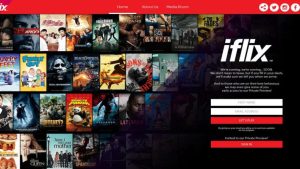
The iFlix Business Model: Localized and Affordable
From the start, iFlix pursued a different strategy than its Western counterparts. While platforms like Netflix and Amazon Prime focused heavily on premium pricing and original global content, iFlix chose to:
-
Offer lower subscription fees
-
Focus on mobile-first access
-
Invest in local content and languages
-
Operate on a freemium model with both free and paid tiers
This localized approach helped iFlix stand out in markets like Malaysia, Indonesia, the Philippines, Thailand, Pakistan, Bangladesh, and even some African nations. It wasn’t trying to replace television—it was trying to reach people who had never had consistent access to premium TV content.
Key Features That Attracted Users
iFlix’s user experience was designed with emerging market consumers in mind. It offered several compelling features:
1. Download and Watch Offline
Understanding that internet connectivity was inconsistent in many regions, iFlix allowed users to download movies and TV shows for offline viewing.
2. Multi-Device Compatibility
Users could stream content on smartphones, tablets, laptops, and smart TVs—making it flexible and family-friendly.
3. Localized User Interfaces
The app was available in multiple local languages and featured intuitive interfaces to help less tech-savvy users.
4. Curated Local and International Content
iFlix offered a healthy mix of Hollywood blockbusters, Korean dramas, Bollywood hits, and regional shows tailored to each market.
Content Strategy: Going Local
One of the smartest moves iFlix made was to prioritize local content. While competitors were pumping money into international originals, iFlix was collaborating with regional producers and creators to license or create content in local languages.
In the Philippines, for example, iFlix offered Tagalog-language films and series. In Malaysia, it featured Malay dramas and even partnered with local influencers to create web series. This hyperlocal approach helped the platform resonate with its audience on a cultural level.
In 2018, iFlix launched its studio division, iFlix Originals, which produced shows like Magic Hour: The Series, KL Gangster: Underworld, and Oi! Jaga Mulut, among others. These originals became instrumental in building a loyal user base and offering something that couldn’t be found elsewhere.
Strategic Partnerships
To expand its user base and ensure a seamless experience, iFlix forged several key partnerships:
-
Telecom Operators: iFlix partnered with companies like Globe Telecom (Philippines), Digi (Malaysia), and Telkom (Indonesia) to offer bundled access to its content.
-
Smartphone Manufacturers: Collaborations with brands like Samsung, Vivo, and Oppo helped preload the iFlix app on millions of devices.
-
Payment Platforms: To ease the payment barrier in cash-driven economies, iFlix offered carrier billing, mobile wallets, and other local payment methods.
These partnerships were crucial in reaching users who didn’t have credit cards or stable internet—two common barriers to traditional streaming services.
Freemium Model: Ad-Supported Streaming
Another feature that set iFlix apart was its freemium model. While Netflix required a subscription, iFlix allowed users to stream a portion of its content for free with ads. This was especially effective in price-sensitive markets where users were reluctant to pay upfront.
Eventually, the company introduced iFlix VIP, a premium tier offering ad-free viewing, early access to new releases, and more exclusive content.
The Competitive Landscape and Challenges
Despite its innovative strategies, iFlix faced stiff competition as global giants entered the scene:
-
Netflix expanded aggressively in Asia, with a growing catalog of regional content.
-
YouTube remained dominant in free video consumption.
-
Local players like Hotstar (India), Vidio (Indonesia), and Viu continued to expand.
Moreover, sustaining a content-heavy business required massive investment. Despite raising over $300 million from investors including Sky, Hearst, and Liberty Global, iFlix struggled with profitability.
Acquisition by Tencent’s WeTV
In 2020, as the pandemic accelerated digital consumption, iFlix was acquired by Tencent’s WeTV—a move that marked the end of its independent journey. Tencent, looking to expand its global streaming footprint, found iFlix to be a valuable entry point into Southeast Asian markets.
Post-acquisition, many of iFlix’s operational assets and teams were integrated into Tencent’s ecosystem. The iFlix brand still remains in some countries but is increasingly aligned with WeTV’s broader global strategy.
iFlix’s Legacy and Impact
Though no longer a standalone disruptor, iFlix’s impact on the digital entertainment landscape is undeniable:
-
Pioneered local-first content strategy in streaming.
-
Demonstrated that affordability and accessibility are key in developing markets.
-
Opened the door for more global interest in Southeast Asia’s digital media space.
-
Created a model for mobile-first, ad-supported streaming in regions where broadband is scarce.
More importantly, it democratized entertainment, giving millions of people access to on-demand content for the first time.
The Road Ahead for Streaming in Asia
The market that iFlix helped shape is now booming, with new players entering regularly and existing platforms doubling down on local content and user engagement. The rise of regional streaming wars means users benefit from more choice, better content, and increasingly competitive pricing.
Tencent’s integration of iFlix into WeTV ensures that the legacy continues—albeit under a new name and strategy.
Conclusion
iFlix was more than just a streaming app—it was a cultural catalyst in the digital transformation of emerging markets. Its unique blend of affordable pricing, regional content, and mobile-friendly design set a benchmark for what it takes to win in Southeast Asia’s entertainment sector.
While the brand may evolve or eventually fade into the larger identity of WeTV, the lessons it taught the industry—about localization, access, and innovation—will remain relevant for years to come. In many ways, iFlix walked so others could run.
