



In the ever-evolving world of internet culture, memes have become one of the most potent tools for communication, humor, and social commentary. Among the thousands of meme genres that flood social media daily, dark memes stand out as perhaps the most controversial. They often deal with taboo topics—death, depression, trauma, existential dread, and offensive stereotypes—pushing the limits of what is considered appropriate or even ethical to joke about. But why do these memes exist, and why are they so popular?
This article dives deep into the world of dark memes: what they are, why people share them, their psychological appeal, cultural implications, and the fine line between humor and harm.
What Are Dark Memes?
Dark memes, also known as edgy memes, are humorous images, text, or videos that reference subjects typically considered serious, tragic, or taboo. These might include mental health struggles, suicide, war, abuse, addiction, death, or highly sensitive social issues. Their core essence lies in juxtaposing morbid or disturbing themes with absurdity, irony, or sarcasm to elicit laughter—or shock.
These memes often circulate in niche online communities like Reddit’s r/okbuddyretard, 4chan, or deep corners of meme pages on Instagram, X (formerly Twitter), and TikTok. While some see them as a coping mechanism, others criticize them for promoting insensitivity or even hate.
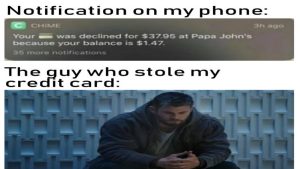
Examples of Dark Meme Themes
Here are some common themes that dark memes often tackle:
-
Mental illness (e.g., depression, anxiety, bipolar disorder)
-
Death and suicide
-
War and violence
-
Addiction and substance abuse
-
Childhood trauma
-
Dark historical events
-
Dystopian humor (e.g., the world is burning and we laugh)
These memes are usually peppered with irony, absurdity, and self-deprecating humor, making them both relatable and jarring.
Why Are Dark Memes So Popular?
Despite their controversial nature, dark memes enjoy significant popularity, especially among younger generations. Here’s why:
1. Coping Through Humor
For many, dark memes are a coping mechanism. Laughing at a painful experience can help defang it—transforming something terrifying or heartbreaking into something manageable. This is particularly true for individuals who suffer from depression or anxiety. Sharing or engaging with dark humor creates a feeling of solidarity among people who face similar struggles.
2. Rebellion Against Political Correctness
Dark memes also offer an outlet for rebellion against societal norms and “PC culture.” The internet has created a space where people can be anonymous, allowing them to express thoughts that would be unacceptable in public settings. Some use dark memes to mock censorship, political overreach, or social expectations.
3. The Appeal of Shock Value
There’s an undeniable allure to the forbidden. The shock value of dark memes often makes them go viral. People are drawn to things that make them gasp, even if just to say, “I can’t believe someone made this.” This reaction creates an emotional spike that drives engagement.
4. Existential and Absurdist Humor
In a world filled with chaos—climate change, pandemics, economic instability—dark memes often reflect a sense of existential exhaustion. The humor doesn’t necessarily glorify darkness; instead, it reflects the absurdity of modern life. It’s not uncommon to see memes like “Me after my 17th mental breakdown this week: 😐” circulating with thousands of likes, resonating with those who feel similarly overwhelmed.
The Psychology of Dark Humor
Psychologists have long studied humor as a reflection of mental processing, emotional resilience, and social connection. Dark humor, in particular, is linked to several psychological mechanisms:
-
Cognitive complexity: A 2017 study published in Cognitive Processing found that people who enjoy dark humor tend to score higher on verbal and non-verbal IQ tests. They can appreciate multiple layers of meaning, including irony, satire, and subversion.
-
Emotional resilience: Those who find dark jokes funny often have high emotional stability. Rather than being disturbed, they are able to detach, reflect, or even heal through such humor.
-
Defense mechanism: Freud famously said, “Humor is a mature defense mechanism.” When life becomes too overwhelming, making fun of pain can help us regain some control over it.
The Risks and Ethical Concerns
While dark memes can be cathartic for some, they also come with serious risks and criticisms.
1. Normalizing Harmful Behavior
Repeated exposure to dark memes, especially those that trivialize self-harm or mental illness, can desensitize users. This may reduce the perceived severity of these issues and deter people from seeking help.
2. Encouraging Hate or Violence
Some dark memes cross the line into racist, sexist, or homophobic content under the guise of “just a joke.” When memes reinforce stereotypes or mock marginalized groups, they can perpetuate harmful attitudes—even if unintentionally.
3. Triggering Trauma
For trauma survivors, coming across a dark meme related to abuse or violence can be deeply triggering. Not everyone is in a mental state to process such humor, and lack of content warnings can lead to accidental emotional harm.
4. Difficult Moderation
Social platforms face a difficult challenge in regulating dark humor. Where does one draw the line between free speech and harmful content? Algorithms and moderators often struggle to understand context, leading to either over-censorship or dangerous content slipping through.
Where Do We Draw the Line?
What makes a dark meme funny versus offensive largely depends on the context and the audience. A meme about depression shared within a support group may come off as relatable and therapeutic. The same meme, posted insensitively on a general platform, could be seen as dismissive or mocking.
A key factor is intention. Is the meme punching up—challenging power structures—or punching down—mocking the vulnerable? Ethical dark humor typically critiques societal flaws, not individual suffering.
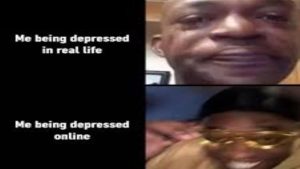
Dark Memes and Internet Subcultures
Dark meme culture is often associated with Gen Z and younger Millennials who grew up with social media, the 2008 recession, and multiple global crises. Their humor leans heavily on irony, nihilism, and absurdity. For these digital natives, laughing about the end of the world isn’t apathy—it’s a form of psychological survival.
Subcultures like “Doomer,” “Zoomer humor,” and “Void memes” have emerged, where content is intentionally bizarre, bleak, and self-referential. Think memes with distorted images, broken grammar, and dark undertones like: “The planet is melting and I’m still ghosted.”
Dark Memes in Popular Culture
Mainstream pop culture is increasingly embracing dark humor, further normalizing its presence online. Shows like Bojack Horseman, Rick and Morty, and The Boys explore bleak and taboo topics with a satirical twist. These shows resonate with audiences precisely because they echo the same sentiments found in dark memes—life is messed up, and humor is how we survive it.
Even celebrities have joined in, posting or reacting to dark memes, further pushing the boundaries of acceptable discourse.
Conclusion: A Double-Edged Sword
Dark memes are a product of our time. They are a response to the chaos, pain, and absurdity of modern life. For many, they are a source of laughter, comfort, and community. For others, they represent the dangers of desensitization and the erosion of empathy.
Like all forms of humor, context is king. What’s healing for one person may be harmful to another. As consumers and creators of digital content, we need to approach dark memes with a mix of open-mindedness, responsibility, and empathy.
